I originally made a video about a time management technique of splitting your time into chunks.
I want to elaborate on what was said, and add in a 5th Chunk that wasn’t mentioned in the video.
There are countless resources out there that discuss the topic of “Time Management”. One of the key things I’ve learned in time management revolves more on learning how to manage yourself instead of managing your “time”.
After learning the concept from Tai Lopez, splitting my day into chunks has proven to be quite effective so far. The word chunk used in this manner refers to a clusters of activities that fall under one category.
Using this method, I’ve learned to split my time into a total of 5 chunks:

Chunk #1: Maintenance
The first thing you do when you wake up is maintenance. However long it takes is up to you: this can include any combination from showering, breakfast, working out, groceries, meditation, checking emails, meetings, or anything of that sorts.
Getting this done right means you’ll have a great start and a solid foundation for what’s to come for the rest of the day.
I generally hit the gym early in the morning, then eat a medium-sized breakfast after. I also find that during weekends, the amount of time I spend in “maintenance” increases anywhere between 1-2 hours since I have more time to relax.
Chunk #2: Do The Hardest Thing of the Day
This was my biggest takeway from Tai’s concept. Getting the hardest thing done FIRST has completely changed the sequence of activities that I go about on my day.
“Do the most mentally taxing activity FIRST.”
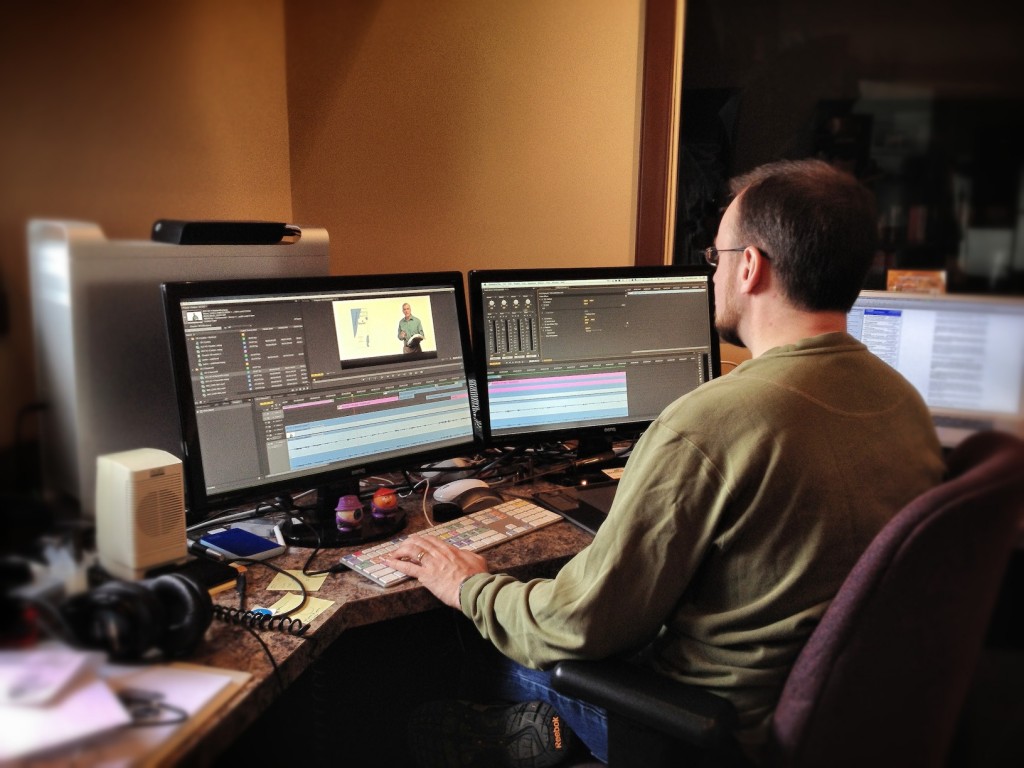
Try it out, after you’ve gone through your own version of “Maintenance Mode”, get the hardest thing done first. I find that the rest of the day feels a lot lighter. For my work, I’d say the most mentally taxing activity is video editing.

Chunk #3: Cruise Control
It’s not time to sit back and relax just yet, there’s still work to be done!
Once the hardest thing is done, you can now do the work that isn’t necessarily as challenging. Once I’m done editing my video, I can move on to something less challenging, such as updating my social media channels. The idea isn’t to intentionally pick something that’s not mentally taxing though.
Ideally I’d work on a set of tasks that are still challenging, but not as hard as the work that needed to get done in Chunk #2.

Chunk #4: The Reward
Without this, everything else is pointless.
The reward is probably the most important part of the day. If you’ve had issues with staying motivated in the past (who hasn’t?), this could be one of the major reasons why.
Our brains work based on constant gratification. Many video games completely revolve around this concept to hook you in.
A popular one is the game Call of Duty. Whether or not your familiar with it, one of the main reasons why its competitive online multiplayer is widely successful is how it uses the concept of constant gratification to constantly reward the player regardless of their skill level.
That doesn’t mean that you should stop giving yourself a big reward every couple of months, but that relying on that “one big reward” may not be ideal. Give yourself daily small rewards to keep going. Some ideas include hanging out with your social circle, partake in some social activity, reading a book, or watching a show/movie.

Chunk #5: Preparation
This is a new category that Tai didn’t dive into, but I’ve found myself doing after reading Mark Hyman’s Ultramind Solution.
Dr. Hyman recommends us to get away from electronics for the last 2 hours of the day.
“…we must take a little “holiday” in the two hours before bed. Creating a sleep ritual – a special set of little things you do before bed to help ready your system physically and psychologically for sleep – can guide your body into a deep, healing sleep.” Mark Hyman, MD
This “chunk” needs to accomplish two things:
1) Get me prepared for tomorrow.
2) Get me ready to sleep.
By splitting our time into “chunks”, we can have a better idea of where we’re at during our day. Where do you spend most of your time? Is it 1pm and we’re still stuck at “Maintenance”? Is it almost midnight and we’re still stuck figuring out the “hardest thing”?
There are thousands of different ways to do this, and this technique is just one way. Figure out where you spend most of your time, what works for you, and let me know in the comments below!
 Marwan AlShafei